


Struggling For Mental Health Support? 50+ Reasons Why Online Therapy Beats In-Person Sessions
- Pan Li
- Oct 30, 2025
- 5 min read
Finding quality mental health support shouldn't feel like climbing Mount Everest, but for many people, that's exactly what it feels like. Between long waiting lists, geographical barriers, scheduling conflicts, and the lingering stigma around therapy, getting the help you need can seem impossible.
Here's some good news: online therapy has revolutionized mental healthcare access, and research shows it's just as effective as traditional in-person therapy for most conditions. While "50+ reasons" might sound like marketing hype, the reality is that online therapy offers genuine, life-changing advantages that make mental health support more accessible than ever before.
Breaking Down Barriers to Mental Health Care
The traditional therapy model creates numerous obstacles that prevent people from getting help. You know the drill: finding a therapist who accepts your insurance, scheduling appointments weeks in advance, taking time off work, arranging childcare, dealing with traffic, and sitting in waiting rooms hoping no one you know sees you.
For people in rural areas, the challenge is even greater. Many communities simply don't have enough mental health professionals to meet demand. The result? People suffer in silence, their mental health deteriorates, and problems that could have been addressed early become much more serious.
The Accessibility Revolution
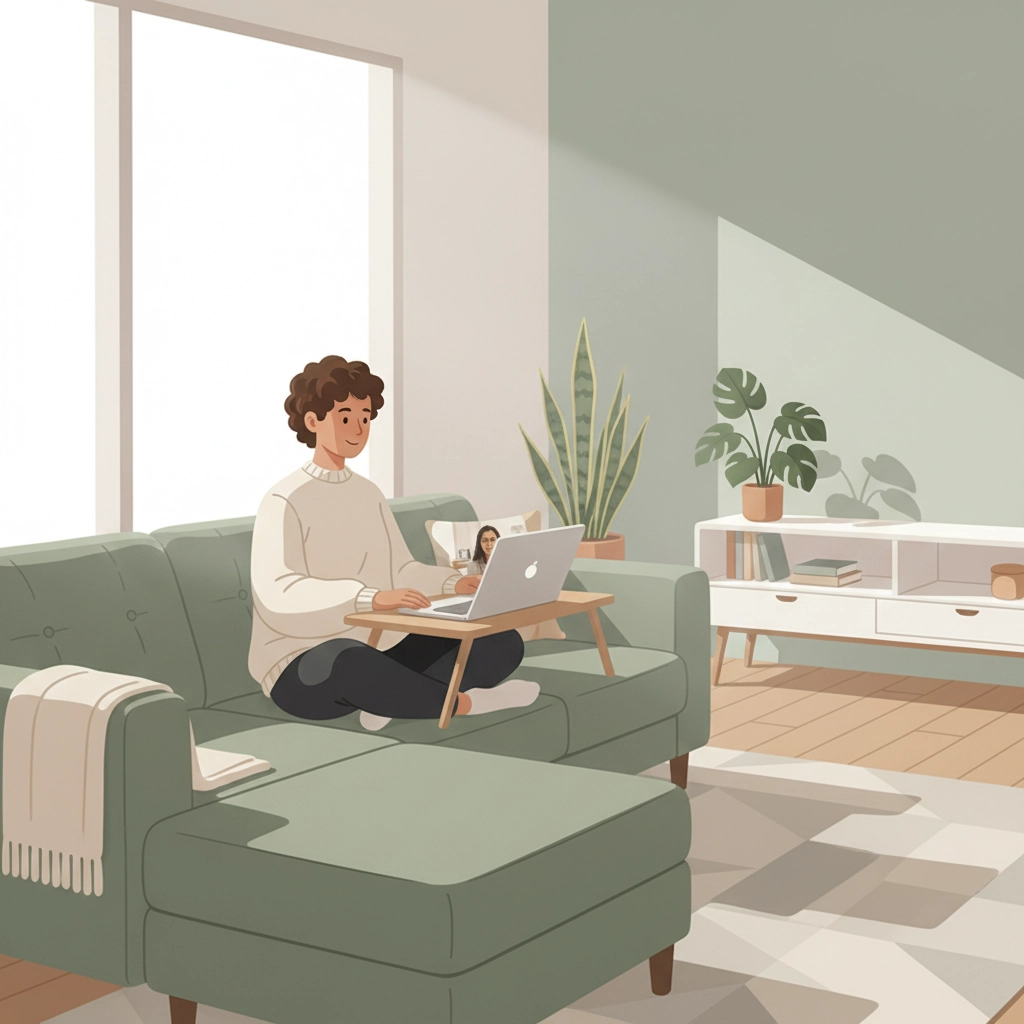
Online therapy eliminates geographical boundaries completely. Whether you live in downtown Chicago or rural Montana, you have access to qualified therapists who can help. This expanded pool of providers means you're not limited to the handful of therapists in your immediate area – you can find someone who truly specializes in your specific needs.
This accessibility extends beyond geography. People with physical disabilities, chronic illnesses, or mobility issues no longer need to navigate the physical challenges of getting to a therapist's office. Parents with young children don't need to find babysitters. People with social anxiety or agoraphobia can access help without the overwhelming prospect of leaving their comfort zone.
Convenience That Actually Works
Let's be honest about scheduling: traditional therapy appointments are notoriously inconvenient. You need to block out time for travel, parking, the appointment itself, and getting back to your day. Online therapy sessions happen wherever you have a private space and internet connection.
This convenience translates into better treatment adherence. When therapy is easier to access, people are more likely to stick with it. Research shows that online therapy patients have fewer no-shows and cancellations compared to in-person sessions. When you remove logistical barriers, people can focus on what really matters: their mental health.
Many online platforms offer flexible scheduling options, including evening and weekend appointments that work around your life rather than forcing you to rearrange it. Some providers even offer asynchronous communication, letting you send messages and receive responses when it's convenient for both you and your therapist.
The Comfort Factor
There's something powerful about being in your own space during therapy. Your home environment can make it easier to open up and share difficult experiences. You have access to your own tissues, water, comfortable seating, and familiar surroundings that help you feel grounded and secure.
This comfort factor is particularly beneficial for people dealing with trauma, anxiety, or shame-based issues. The clinical setting of a therapist's office can sometimes feel intimidating or cold. Your own space allows for a different kind of vulnerability and openness that can accelerate therapeutic progress.
Multiple Communication Options
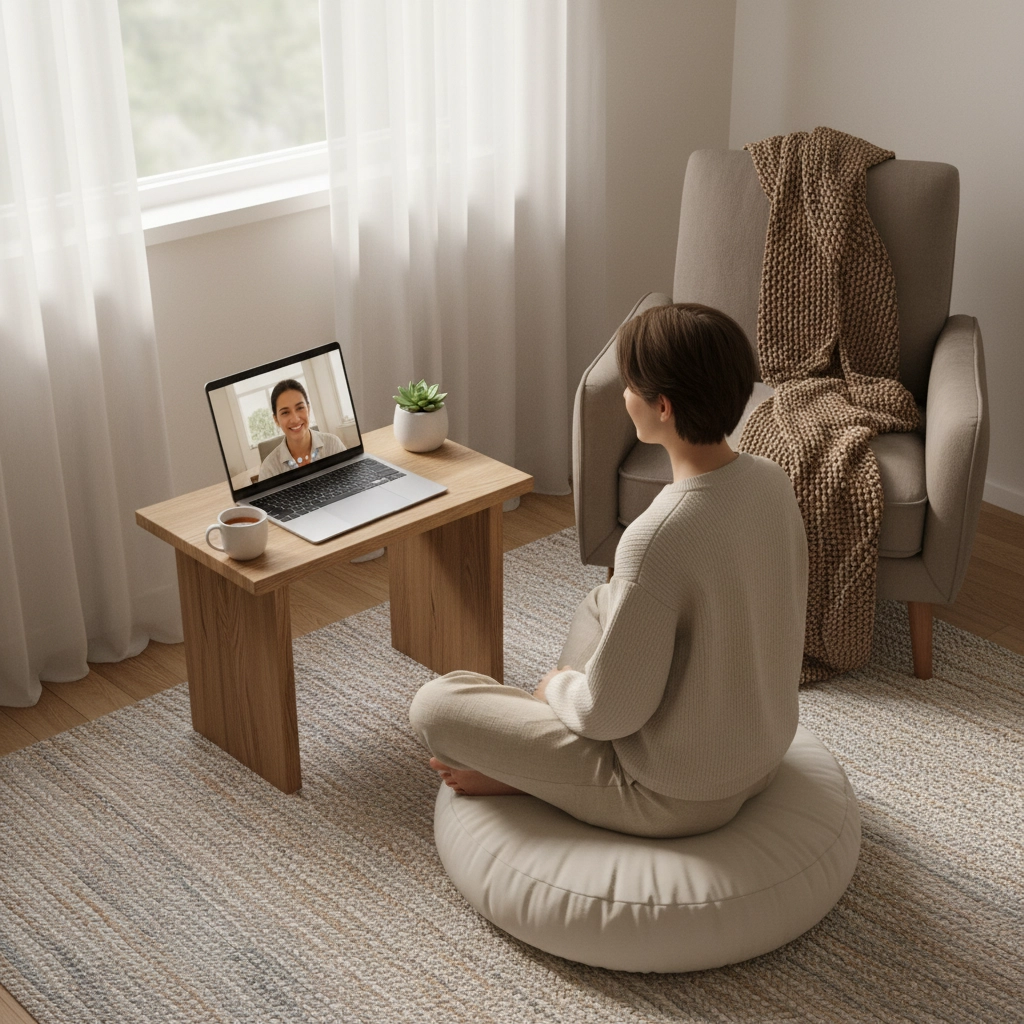
Online therapy platforms typically offer various ways to connect with your therapist: video calls, phone sessions, text messaging, and email. This variety means you can choose the method that feels most comfortable for your personality and specific situation.
Some people prefer video calls because they maintain the face-to-face connection. Others find phone sessions less intimidating. Text-based therapy can be perfect for people who express themselves better in writing or need time to process their thoughts before responding.
Financial Accessibility
Traditional therapy can be expensive, especially when you factor in all the hidden costs: gas money, parking fees, time off work, childcare, and sometimes even the need to dress professionally. Online therapy often costs less per session, and you eliminate most of these additional expenses.
Many online therapy platforms offer subscription models or package deals that make regular sessions more affordable. When therapists don't need to maintain physical office space, they can often offer services at lower rates while still maintaining their profit margins.
Reduced Stigma and Privacy
Despite growing awareness about mental health, stigma still exists. Some people worry about being seen entering a therapist's office or running into someone they know in the waiting room. Online therapy provides complete discretion – no one needs to know you're attending sessions.
This privacy can be particularly important for people in small communities, those in high-profile positions, or anyone who simply prefers to keep their mental health journey private. The reduced stigma makes it easier for people to seek help earlier, before problems become severe.
Enhanced Therapeutic Tools
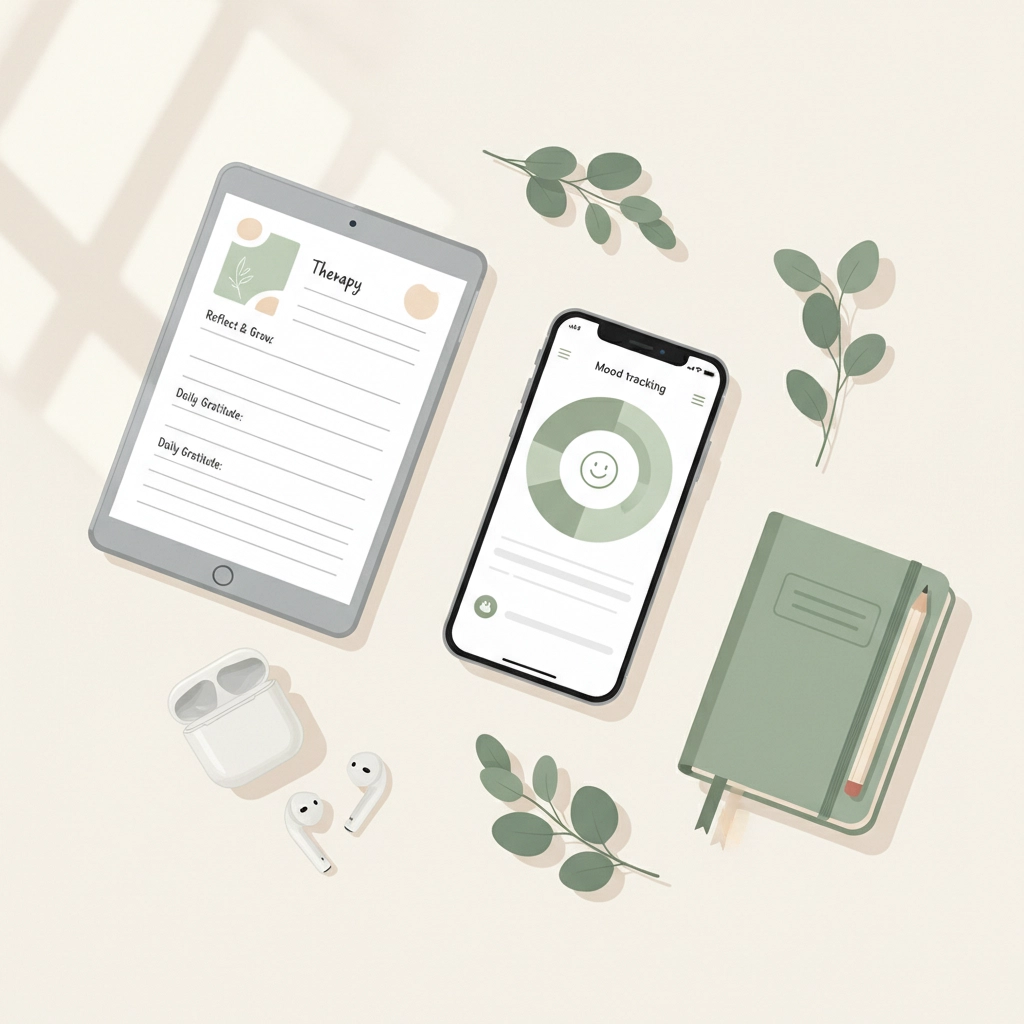
Digital therapy platforms often include helpful features that traditional therapy can't offer. Electronic mood tracking, progress monitoring tools, homework assignments delivered through apps, and digital worksheets can enhance the therapeutic process.
Therapists can send you resources, articles, or exercises between sessions. You can complete assessment questionnaires before sessions, making the most of your time together. Some platforms even offer crisis support features and 24/7 access to resources.
Specialized Care Access
Online therapy gives you access to specialists who might not be available in your area. Need someone who specializes in eating disorders, PTSD, or LGBTQ+ issues? Online platforms make it possible to work with experts regardless of where they're located.
This specialization can make a significant difference in treatment outcomes. Working with a therapist who truly understands your specific challenges and has extensive experience in that area can accelerate your progress and provide more targeted interventions.
The Science Behind Online Therapy
Research consistently shows that online therapy produces similar outcomes to in-person therapy for most mental health conditions, including depression, anxiety, PTSD, and many others. The key factors that make therapy effective – the therapeutic relationship, evidence-based interventions, and consistent engagement – are all preserved in online formats.
Studies have found that many people actually prefer online therapy after trying it, reporting feeling more comfortable, more likely to be honest, and more engaged in the process than they expected.
Making the Right Choice for You
While online therapy offers numerous advantages, it's not universally better than in-person therapy – it's different. The best approach is the one that works for your specific situation, preferences, and mental health needs. Some people thrive with the convenience and comfort of online sessions, while others prefer the formal structure and in-person connection of traditional therapy.
The important thing is that you now have options. Mental health support doesn't have to be difficult to access or fit into a rigid traditional model. Whether you choose online therapy, in-person sessions, or a combination of both, the most important step is getting the help you deserve.
At CareNexus, we understand that mental health care should be accessible, convenient, and tailored to your needs. Our mental health services are designed to meet you where you are, providing professional support that fits into your life rather than disrupting it.
Your mental health matters, and getting support should be as easy as possible. Online therapy has removed many of the traditional barriers to mental healthcare, making it possible for more people to get the help they need, when they need it, in a way that works for their unique circumstances.

Comments